

There's something almost primal about the urge to create something with your hands. And once you understand the neuroscience behind it, the obsession makes complete sense.
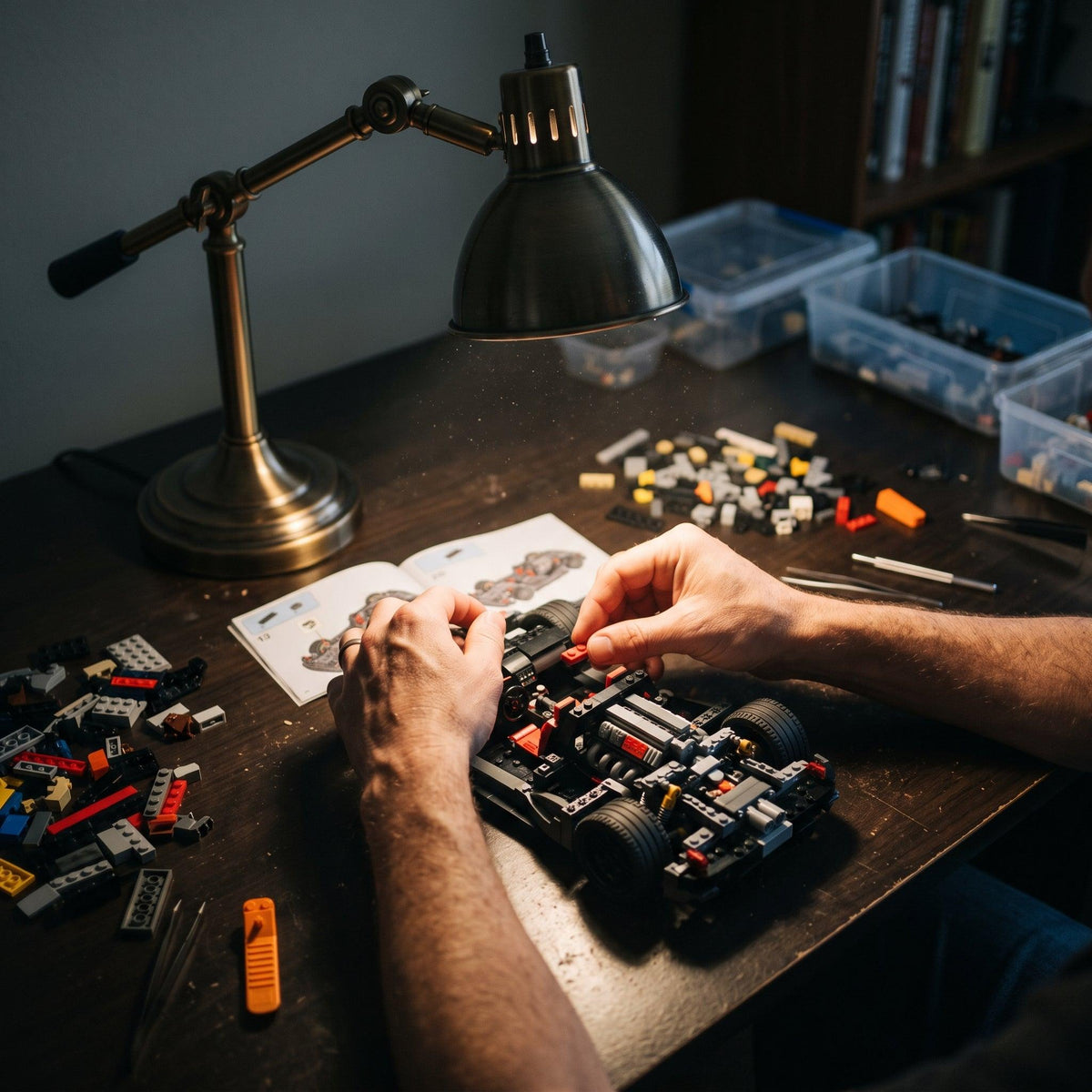
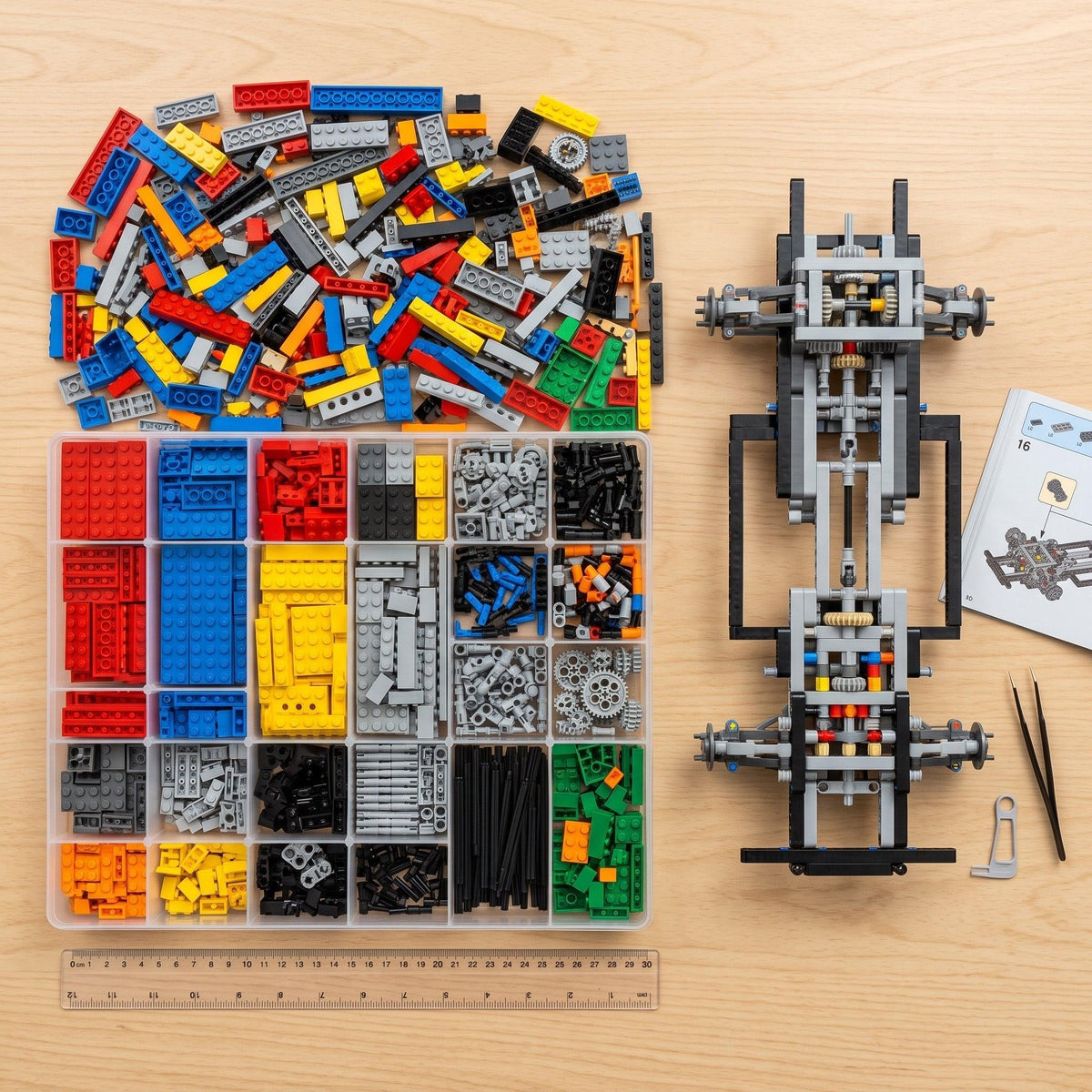
Picture this. It's a Tuesday evening. The inbox hasn't emptied since Thursday, there are three group chats you've mentally muted, and the television is doing that thing it always does – demanding your attention whilst offering nothing worth actually watching. And then you sit down, open a box of perhaps two thousand tiny, precisely engineered pieces, and for the next two hours, nothing else exists. Not the emails. Not the notifications. Just the satisfying click of one element locking into another, and the slow, certain progress of something becoming real in your hands.
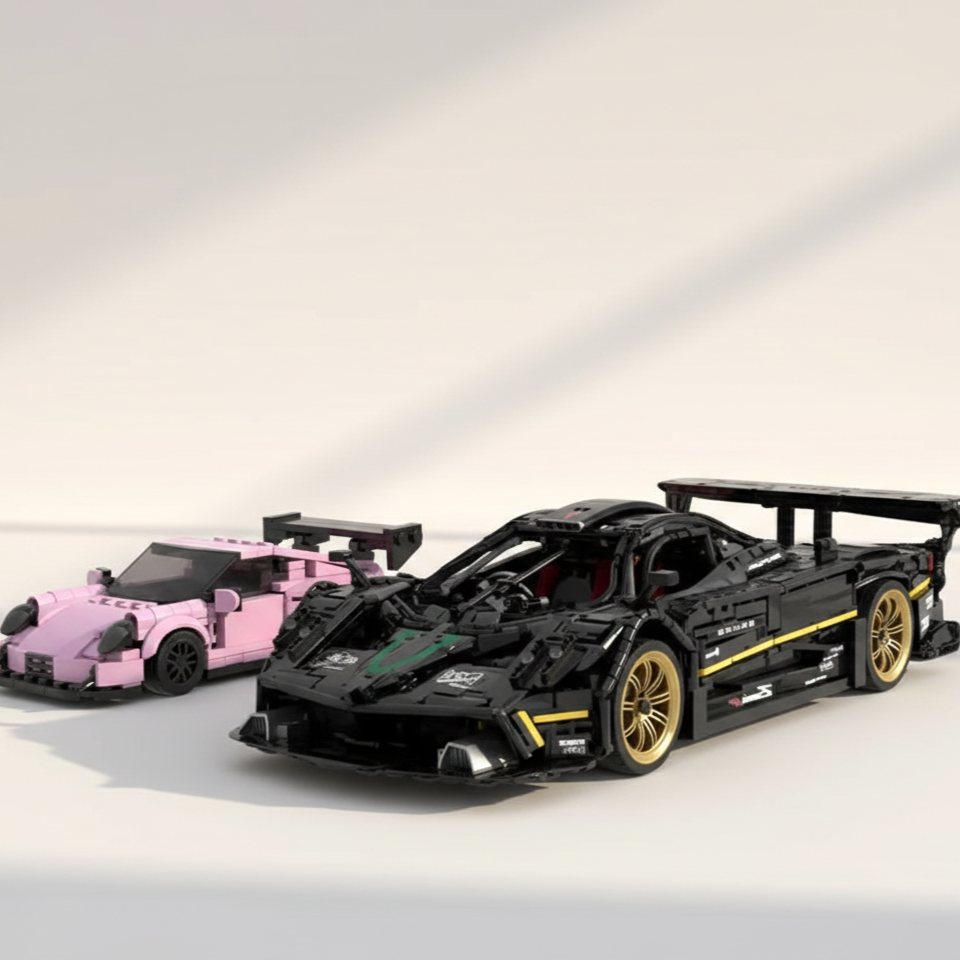
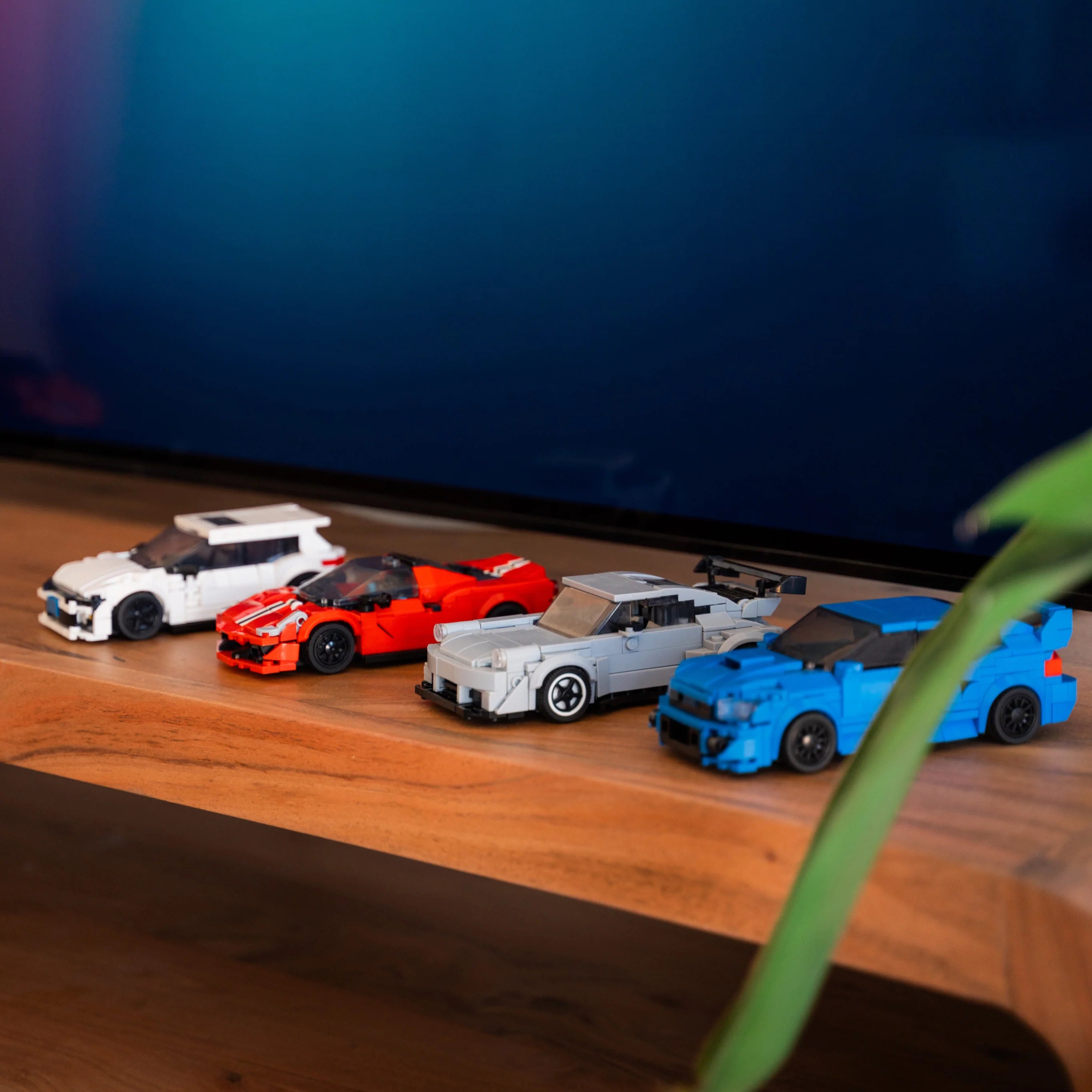
If you've ever experienced that feeling, you'll know there's something distinctly powerful about it. And if you've ever tried to explain it to someone who hasn't – that peculiar joy of building model car kits for adults, or assembling a thousand-piece precision model from scratch – you'll also know how difficult it is to put into words. "It's relaxing" rarely captures it. "I just like doing it" doesn't quite cut it either.
The truth is, there's quite a lot going on beneath the surface. And once you start pulling at the threads, the psychology of why adults are drawn to building and making is genuinely fascinating.
The Brain on Progress
Let's start with something most people don't know about themselves: the human brain is, at its core, a progress-detection machine. Neuroscientists have long understood that dopamine – the neurotransmitter we typically associate with reward – is actually released in anticipation of progress, not just at the point of achievement. Every small step forward, every piece clicked into place, every sub-assembly completed, triggers a quiet little chemical reward. Not a flood, but a drip. And crucially, that drip keeps you coming back.
This is why building model cars is so different from, say, watching someone else build model cars on YouTube. The passive version offers no dopamine feedback loop. The active version – the tactile, hands-on, problem-solving process of actually constructing something – gives your brain a continuous, low-level stream of reward signals. It's deeply satisfying in a way that most modern leisure activities simply aren't.
It's something many people don't expect when they first pick up a precision kit. They think they're taking on a project. What they discover is that they've stumbled into something closer to a ritual.
Control in a World That Offers Very Little
There's another element worth examining, and it's one that tends to resonate particularly strongly with adults who've spent their days navigating workplaces, relationships, and the general chaos of modern life. Building things gives you control.
Not control in the authoritarian sense – but in the most elemental, satisfying sense. Every step in a precision kit is defined, achievable, and entirely within your hands. The instructions say attach piece A to piece B, and when you do, it works. There's no ambiguity. No email thread that spirals into nothing. No meeting about a meeting. Just you, the parts, and a process that – if you follow it – produces exactly the result it promised.
Psychologists refer to this as a sense of autonomy and mastery, two of the fundamental human psychological needs identified in Self-Determination Theory. When those needs go unmet in daily life – and for many adults they often do – we instinctively seek environments where they can be fulfilled. Hobbies like building model cars aren't just pleasant distractions. They're filling a real psychological gap.
The Quiet Revolution Against Digital Overload
Something has quietly shifted in the last decade. The more our working and social lives have migrated onto screens, the more adults have found themselves craving experiences that are resolutely, deliberately physical. The rise of analogue hobbies – vinyl records, film photography, bread-making, and yes, building precision model kits – isn't a coincidence. It's a collective exhale.
There's a particular quality to working with your hands that screens simply cannot replicate: tangibility. When you pick up a piece, feel its weight, rotate it to find the right orientation, and fix it into position, your brain is processing sensory information across multiple channels simultaneously. Touch, sight, spatial reasoning, fine motor coordination. It's cognitively rich in a way that scrolling through content never is – and it leaves you feeling genuinely refreshed rather than oddly depleted.
For adults who spend eight hours a day looking at a monitor, sitting down to work on a detailed GT86 model build in the evening isn't an extension of screen life. It's the antidote to it.
Mindfulness, Without the App
The word "mindfulness" has been packaged, marketed, and somewhat hollowed out by overuse. But the underlying concept – bringing your full attention to the present moment – is real, and genuinely valuable. The interesting thing is that building model cars achieves it almost by accident.
When you're working with very small components, aligning precise details, or following a complex sequence of steps, distraction becomes physically impossible. You can't mentally revisit tomorrow's presentation whilst navigating a fiddly sub-assembly. Your attention has to be here, now, on this piece, in this moment. Psychologists sometimes call this "absorbed attention" – a state where conscious rumination quiets down and the mind enters a kind of active stillness.
It's the same cognitive state that skilled musicians, surgeons, and athletes describe. The difference is that you don't need years of training to access it. A well-designed precision kit pulls you there within minutes, reliably, every time you sit down to it.
The Particular Pull of Precision
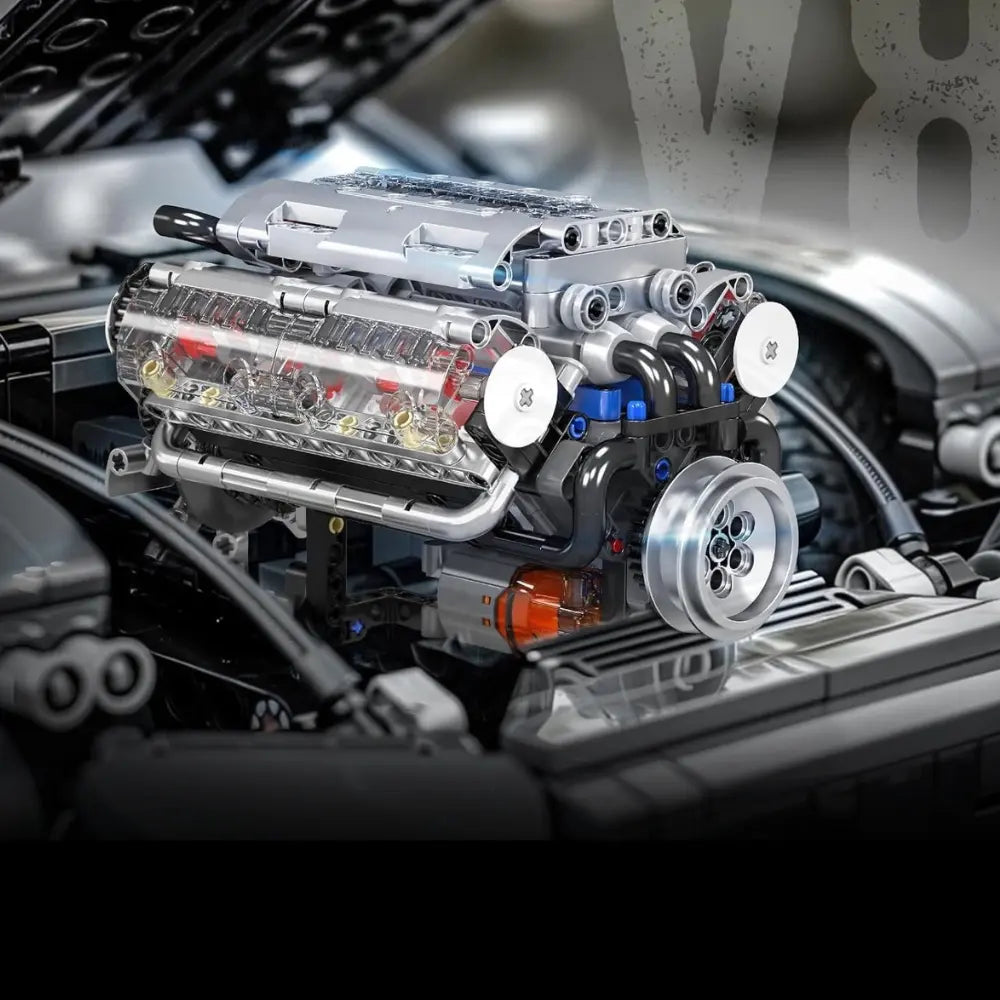
Not all making is equal, and it's worth being honest about that. There's a reason why adults who find themselves drawn to this hobby don't typically stop at one kit. The specificity matters. The detail matters. A model car that captures the exact profile of an engine bay, the correct geometry of a suspension arm, the precise curve of a bonnet – that level of fidelity triggers something different from a generic building exercise.
For many people, it connects to an existing passion. Cars, for instance, carry enormous emotional weight for a great number of adults – memories of first cars, aspirational machines, engineering they admire. When you build a precision model of a vehicle you actually care about, you're not just assembling parts. You're engaging with something that has personal meaning. That's a qualitatively richer experience, and it goes some way to explaining why the most popular model kits tend to be iconic vehicles rather than generic shapes.
The precision element also matters because it creates a higher standard – and higher standards, paradoxically, are more satisfying to meet. Getting something exactly right, after patience and care, produces a different quality of reward than getting something approximately right. The brain knows the difference.
Why It Becomes a Habit (and Then a Collection)
Here's where things get interesting. The first build teaches your hands and your brain a new language. The second build is faster, more confident, more intuitive. By the third, you're not just a person who built a model – you're a builder. The identity shift is subtle but real, and it matters.
There's also the simple fact that each completed build sits on a shelf, visible and permanent, as a record of focused effort. That's rarer than it sounds. Most of what adults do during a working week leaves no trace – emails sent, decisions made, problems resolved and immediately replaced by new ones. A finished model car is evidence. It says: I was here, I concentrated, I made something.
If you're curious about why people find this hobby so addictive, the answer is layered – and it goes considerably deeper than "it's a nice way to spend an evening." The psychology is real. The reward system is real. And once you've completed your first precision build, you'll understand exactly why so many people quietly become collectors without ever quite planning to.
A Final Thought
We live in an era that privileges speed, volume, and constant connectivity. The value of slowness – of attending carefully to something small, detailed, and entirely under your own hands – has become genuinely countercultural. Not in a dramatic way. Just quietly, personally revolutionary.
There's a reason precision model building has attracted a growing community of adults who don't fit any obvious demographic profile – engineers and artists, city workers and retirees, people who've never considered themselves "hobbyists" until they opened their first kit and found, to their mild surprise, that they didn't want to stop. The psychology behind it isn't complicated, once you see it clearly. It gives the brain what modern life often doesn't: focus, feedback, tangibility, and the unambiguous satisfaction of finishing something that began as a pile of pieces.
That's not a small thing. In fact, for a lot of people, it turns out to be rather a large one.

Leave a comment
This site is protected by hCaptcha and the hCaptcha Privacy Policy and Terms of Service apply.