


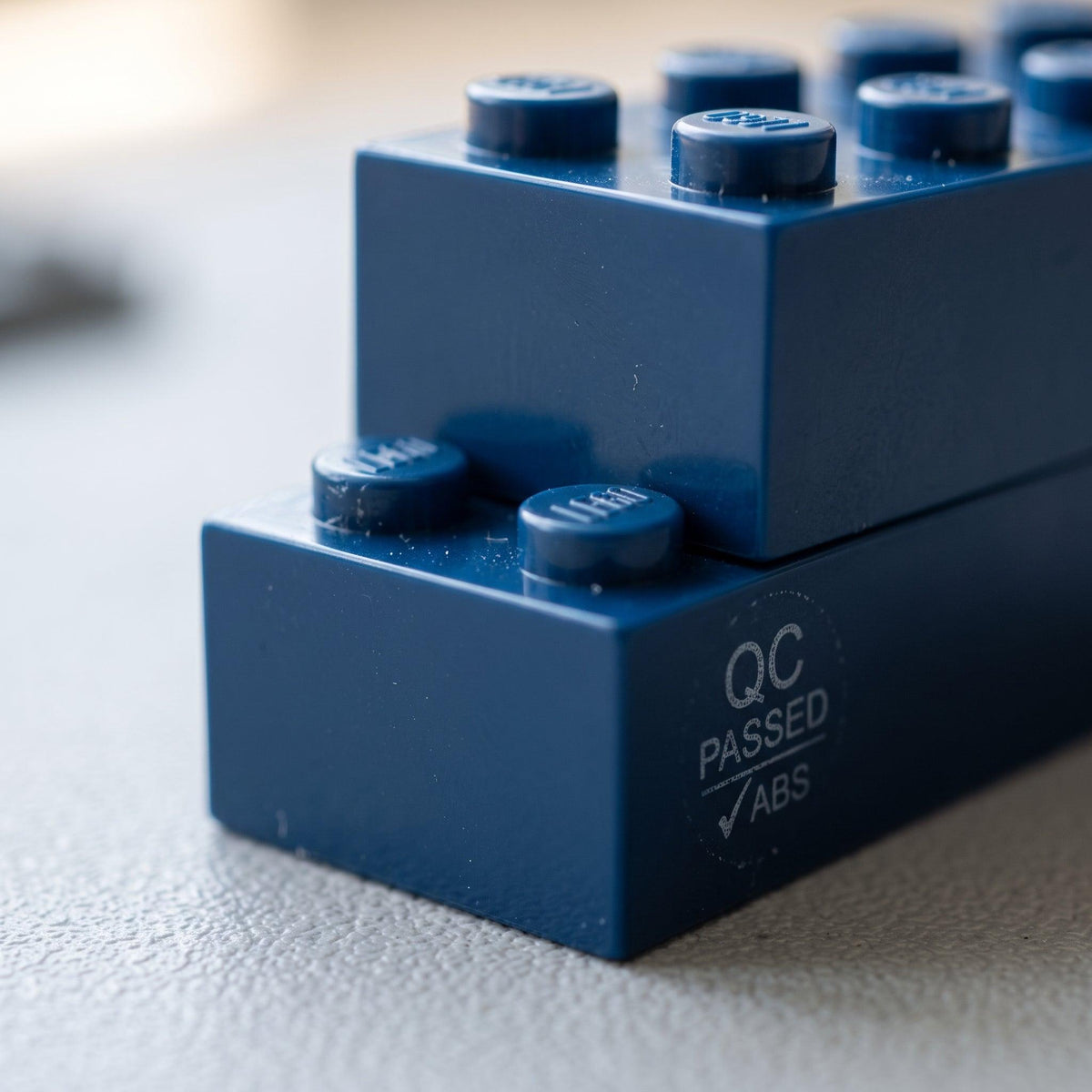
This question deserves a straighter answer than it usually gets. Search the topic and you'll find two camps shouting past each other: sellers insisting everything is flawless, and forum threads insisting everything from outside one brand is suspect. Neither is honest.
So here's our version, and we'll hold ourselves to one rule throughout: we only claim what we can actually stand behind. Where the honest answer is "check before you buy" or "we can't promise that", we'll say exactly that.
First, who these kits are for
Let's settle the most important safety question before any other, because it reframes everything else.
Our kits are sold as adult builder and collector kits. They are display models and engineering projects, not children's toys. High piece counts, small components, tiny connectors, and in the RC kits, batteries, motors and wiring. Every one of those is normal for an adult hobby product and every one of those is a reason these are not for small children.
That's not legal boilerplate, it's the practical answer to the choking hazard question people quite rightly ask. Any construction brick system, from any manufacturer at any price, involves small parts. Small parts and young children don't mix, full stop, regardless of whose logo is on the box. If there are toddlers in your home, build and display out of their reach, and store loose pieces the same way. This advice would be identical for official branded bricks, because the physics of a small plastic piece doesn't care about trademarks.
What we stand behind, in writing
Here's what we can promise, because it's in our policies rather than our marketing.
If a kit arrives with pieces missing, we send the missing pieces free. If something arrives damaged or defective, we replace the affected pieces free. And unused kits in their original packaging can come back within 30 days. The full terms are in our refund policy if you want them before ordering.
That's the list. We're not going to dress it up as more than it is. And for how the kits actually hold up, read what other builders say on our reviews page, which we'd encourage over taking any seller's word alone, ours included.
What quality looks like when the box arrives
For an adult builder, the realistic safety and quality concerns aren't dramatic. They're pieces that crack and leave sharp edges, connections so tight they need real force to separate, moulding flash left on edges, and in RC kits, connectors that don't seat properly. You can check for most of these yourself in the first ten minutes, before a single step of the build.
Open a bag or two and look at the pieces under good light. You want clean edges, consistent colour and no stringy bits of excess plastic.
Press a few bricks together and pull them apart. Firm, even clutch that releases by hand is what good pieces feel like.
For RC kits, look over the battery box, cables and connectors before you start, not after the chassis is sealed.
If anything fails those checks, get in touch with a photo before you build. A problem piece is far easier to sort on day one than on step 400.
What "compatible" means physically, and what it doesn't
The compatibility question overlaps with safety more than people expect, so let's do it properly.
Compatible bricks are built to the same standard geometry as the pieces you already own: stud spacing, brick heights, pin and axle dimensions. Well-made compatible pieces connect to original pieces with normal clutch force and release with normal force. That last part matters for safety in a mundane way, because a badly moulded brick that needs pliers to separate, or one so loose that assemblies shed pieces onto the floor, is where minor hobby injuries and lost-part hazards actually come from. It's why the thirty-second clutch check above is worth doing.
What compatibility does not mean: that all compatible bricks everywhere are equal. The compatible-brick market ranges from excellent to genuinely poor, and the poor end is where the horror stories originate. Brittle plastic, sharp moulding flash, chemical smell. Those stories are real, and they're about manufacturing quality, not about the concept of compatible bricks. Judge the maker, not the category. (For the wider picture beyond safety, we've covered how MOC car kits compare to official LEGO Technic separately.)
RC kits: the battery bit
RC kits add one safety topic the static kits don't have: a rechargeable battery. Treat it like any other rechargeable battery in your home. Charge it with the cable that comes with the kit, don't leave it charging unattended, and stop using any battery that gets hot, swells or smells odd. For long storage, take the battery out of the model. If you're new to RC kits, our guide to how remote control MOC car kits work covers where the battery lives and why access to it matters.
What this article will not claim
Now the section most articles on this topic skip, which is exactly why they're not worth your trust.
We are not going to list safety certification marks in a blog post and ask you to take them on faith. Certification claims belong on product listings and official documentation, where they're specific, checkable and accountable, not in marketing copy where anyone can type any acronym. If certification for a specific kit matters to your purchase decision, and if you're buying with children anywhere in the picture it should, look at the specific product listing and ask us directly before ordering. A straight question deserves a documented answer, and if we can't document something, we won't claim it.
We're also not going to tell you that compatible bricks are "exactly the same" as official ones in every respect. They're built to the same geometry and, done well, they build the same. Materials and finishing vary by manufacturer across this entire industry. That's the honest sentence, and it's enough.
The practical checklist
Buying MOC-compatible kits safely comes down to a handful of habits, none of them complicated.
Buy for the right audience: these are adult collector kits, and small parts stay away from small children, whatever brand they are.
Buy from sellers with clear, written policies on missing pieces, damage and returns, rather than sellers who only talk about price.
Read the reviews, the real ones from builders, not the star number.
Ask before you order if a specific concern matters to you. A seller who dodges a direct safety question has answered it.
Check the pieces when the box arrives, before you build.
And once you're building: normal hobby sense. Good light, no forcing stubborn pieces with your teeth (everyone has done it once), batteries out of RC models during long storage, and loose pieces off the floor in any home where small feet or small hands pass through.
That's the whole picture, stated as plainly as we can state it. The category is safe in the way any adult hobby is safe: through decent manufacturing, honest sellers and ordinary care. Anyone promising you more than that is selling. Anyone warning you of less is forum-posting. The truth, as usual, is quieter than both.


Leave a comment
This site is protected by hCaptcha and the hCaptcha Privacy Policy and Terms of Service apply.